Tips for Going to an F1 Race: 14 DOs and DON’Ts to Follow
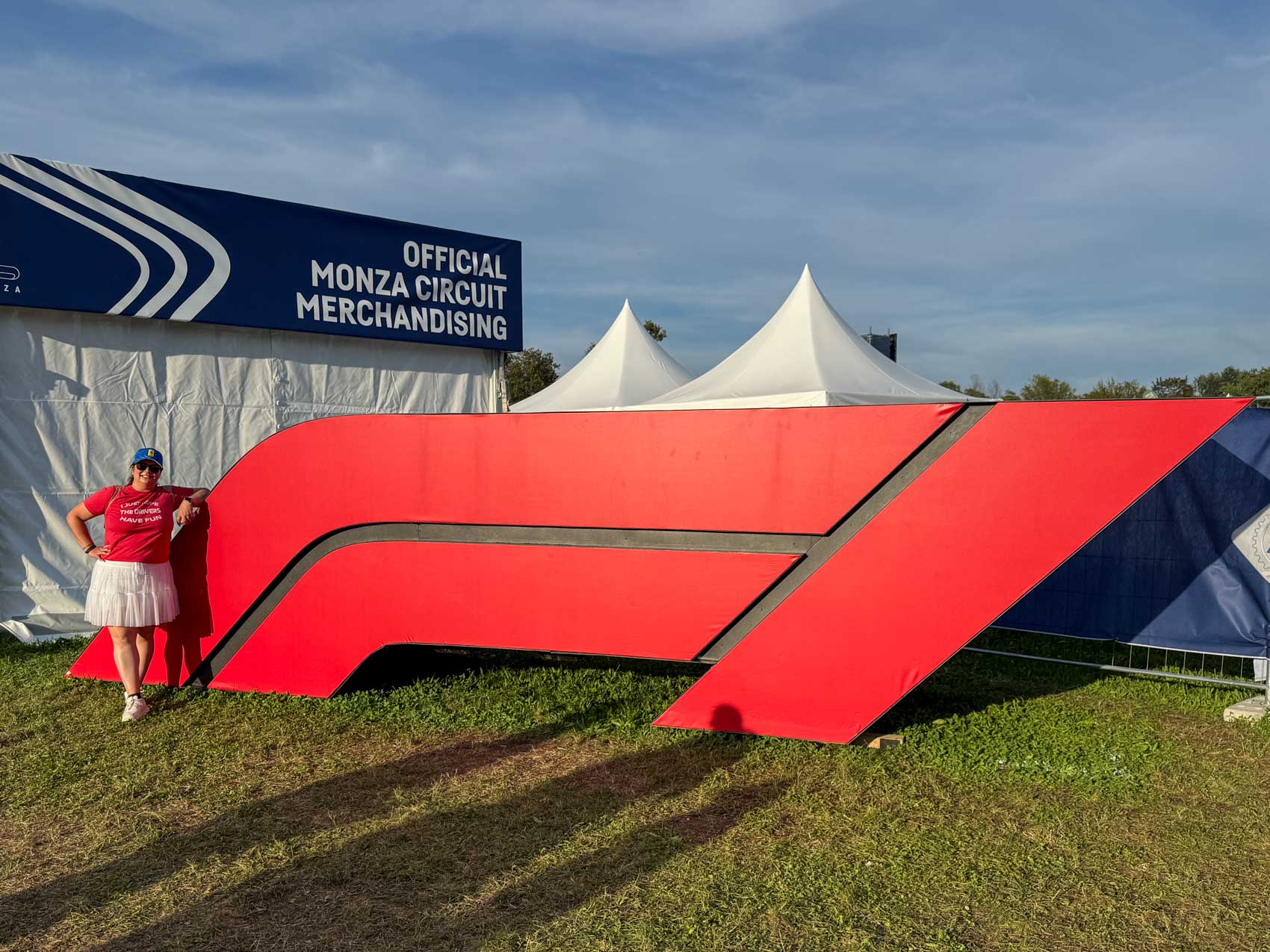
So you’re going to your first Formula 1 race; how exciting!! Seeing F1 cars up close and feeling the electric energy of a race weekend in-person is truly such a rush.
BUT, going to a race is a completely different experience to watching one on TV. Formula 1 races happen outdoors, at HUGE tracks that are open to all the elements. You have to plan far in advance for tickets, hotels, transport, etc. And there are lots of factors from your seating view to what shoes you choose to wear that can make or break your overall experience.
So before you go, I want to share some of my best F1 race tips with you, in hopes that they’ll help you have the best time possible!
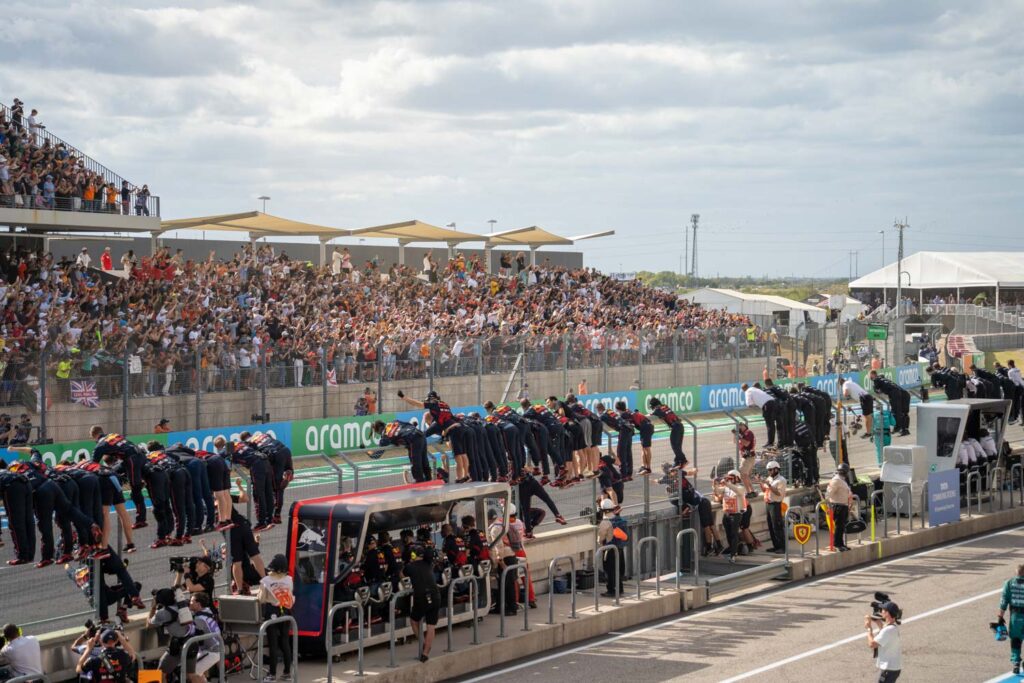
DOs and DON’Ts for going to an F1 race
Here are all my top tips for going to an F1 race, including all the things you need to know about what to expect at the track, what to wear (and not wear), what you need to plan for, and more.
(And my credentials here are that I’ve attended several race weekends at different tracks with various ticket types! Definitely learn from some of my mistakes.)
DO know that it’s nothing like it is on TV!
Watching a Formula 1 race in-person is absolutely nothing like watching it on TV from your couch at home.
When you watch a race broadcast on TV, you see the entire race. Cameras capture every angle of every battle for position, pit stop, and breakdown, and announcers give you context for what’s going on. In person, though, you only see a very small snippet of the live action when it happens in front of you — and the cars are going so fast that they’re literally just a blur!
At some tracks, you *might* be close enough to a large screen to watch all the action that you’re not seeing on-track. And you *might* get access to a race radio to listen to some of the live commentary. But neither of these things is guaranteed! You might be completely lost at times, and you might miss out on action like overtakes and crashes if they don’t happen immediately in front of you.
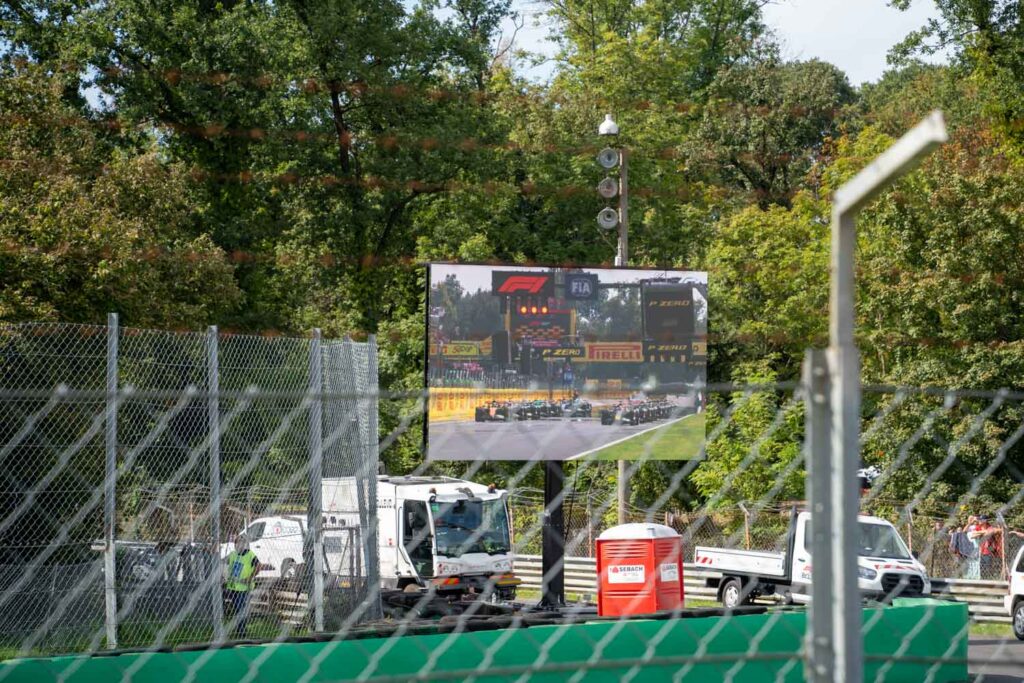
My advice is to just accept the fact that you won’t actually see much of the race itself when you watch in-person, and instead just enjoy the atmosphere of being there. The vibes of the fan zones and GA areas are sometimes the best part of a race weekend, in my opinion.
DO buy tickets early
For many F1 races — and especially the very famous ones like Monaco, Monza, Silverstone, etc — tickets of all types will probably (definitely) sell out. If you’ve got a dream race you want to attend, definitely do a bit of research to know when those tickets will be going on sale.
The FIA usually releases the race calendar in June for the following year, and some races will put tickets on sale for next year immediately after this year’s race. (For example, the Italian Grand Prix at Monza took place the first weekend in September in 2025, and tickets for the 2026 race went on sale the week after the 2025 race.) Tickets for other races might go on sale only 3-6 months in advance, though, so it’s important to know when to be ready to buy.
For some races, you can get away with buying tickets closer to the race (like most of the US races), while others (like Australia and China) sell out almost immediately. The earlier you buy, the more seating choices and better prices you’ll have access to.
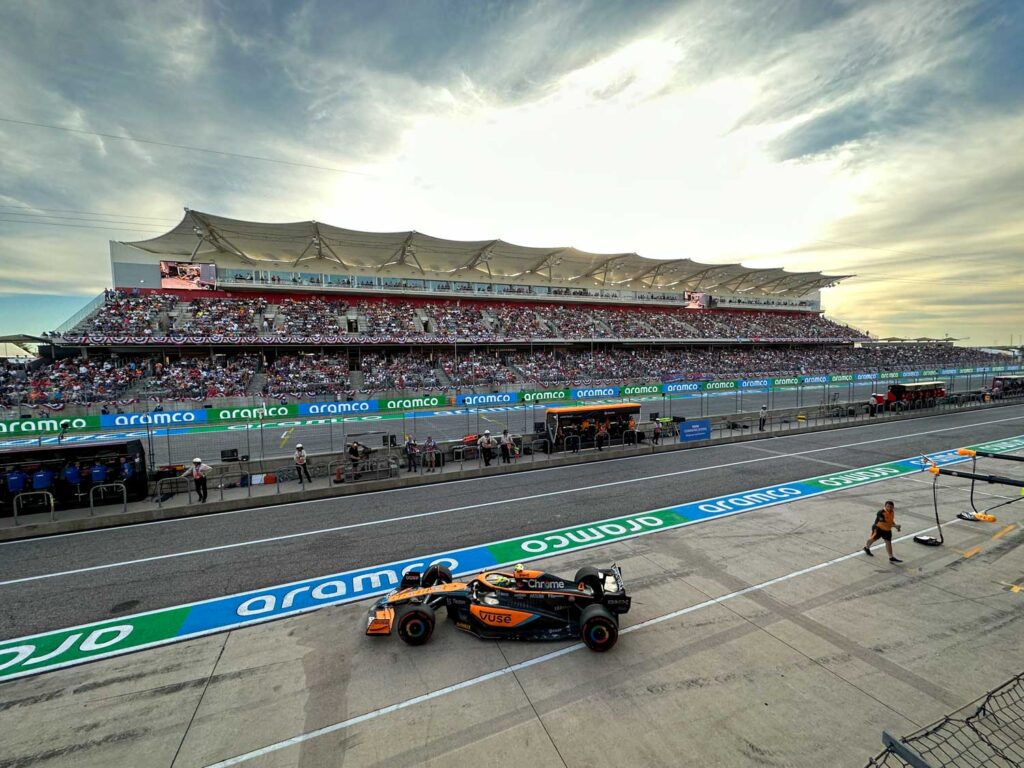
For context, we booked our grandstand tickets for Monza 6 months in advance, our hospitality tickets for COTA a full year in advance, and tickets for Spa about 9 months in advance (and actually missed out on the grandstand we wanted for that race). Meanwhile, I booked a trip for Miami just 4 months ahead of race day.
DO get the best seats for *you*
When it comes to what type of ticket to get, that’s going to be very dependent on your budget and what kind of experience you want to have overall.
There are three main types of tickets available for every Formula 1 race:
- General admission – Sometimes called a “grounds pass,” these tickets are the most affordable at any Formula 1 race. They get you into the track and fan zone(s), but don’t give you an assigned seat (or any seat at all). Most tracks have several designated GA areas — usually grassy, sometimes up on a hill — that you can choose from. GA areas don’t always have the best views, but you’ll be close to the action. The main downside to these tickets is that GA areas can get SUPER packed, and on race day you’ll need to arrive as early as possible to stake out a spot for the best views.
- Grandstand tickets – Some tracks have both bleachers and covered grandstands, but most classify them all as grandstand tickets. With these tickets, you’ll have an assigned seat in whatever grandstand you choose. Grandstands are usually set up at the main corners and straights to see the action. The best grandstand seats will be covered, have seat backs, and have views of a giant screen to watch.
- Hospitality/VIP tickets – Hospitality tickets are sold by the host track and by companies like F1 Experiences (which sells Champions Club and Paddock Club tickets). These are the most expensive options, but usually get you premium viewing and include things like food and drinks.
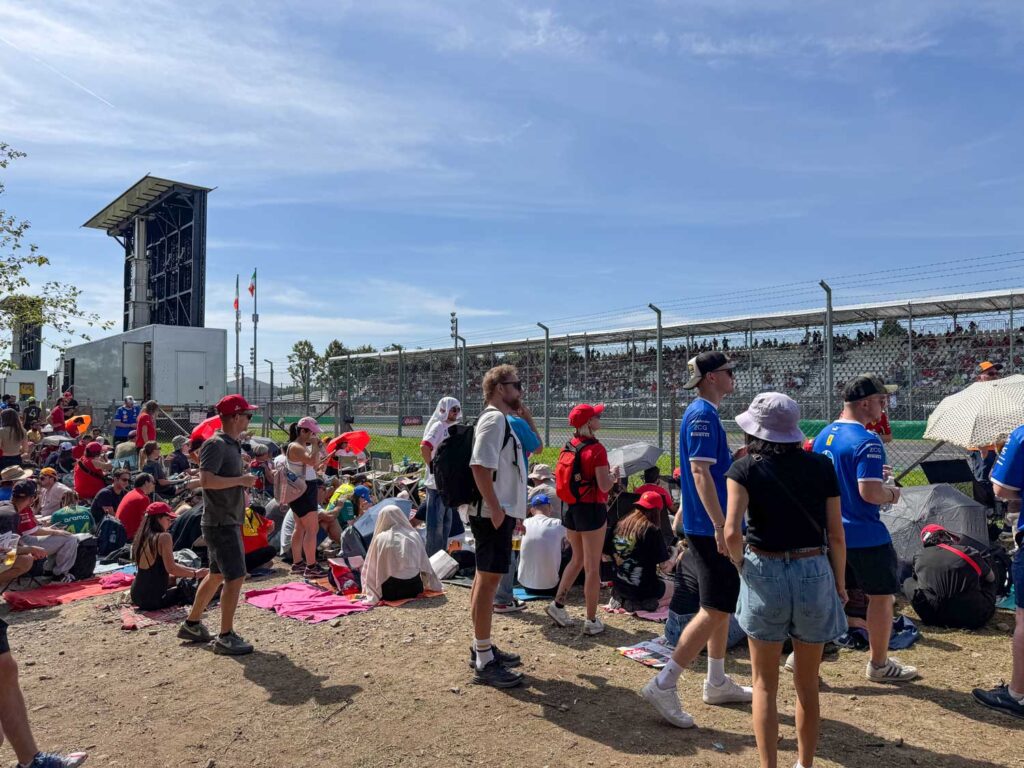
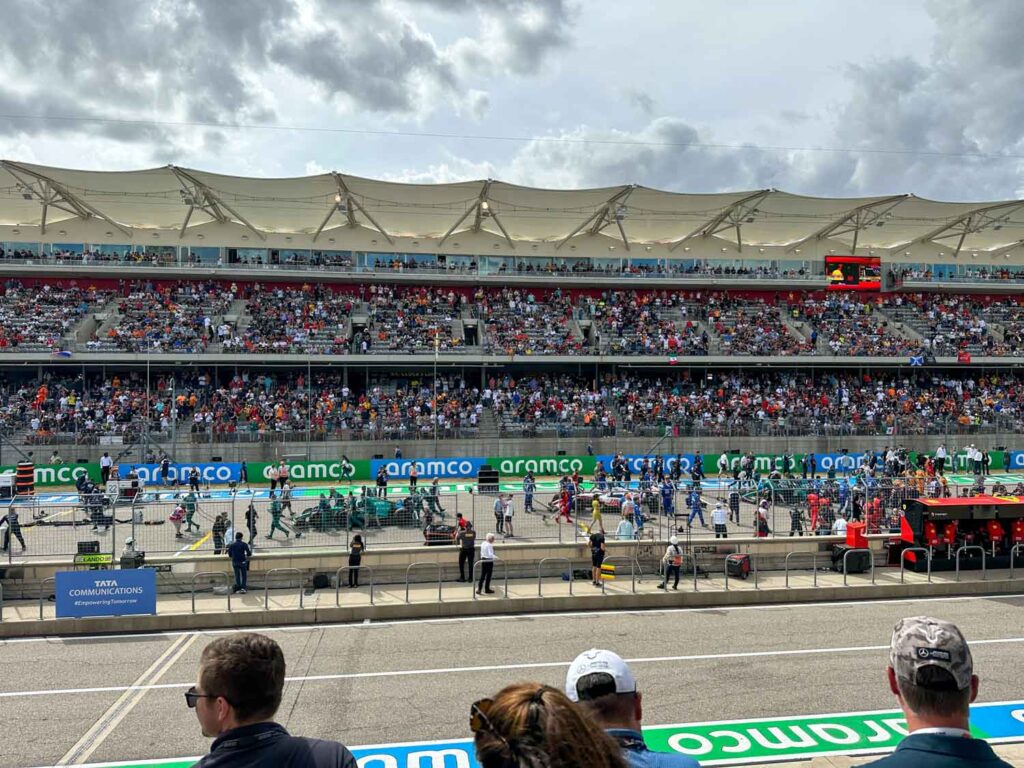
Which ticket type is best for *you* personally is going to be up to you to figure out. I really think it’s worth getting at least grandstand tickets in most cases, though, as it means you can explore the track fully without stressing about where y ou’ll sit for the race. GA tickets are great if you’re on a budget or live close to the track already, but you’ll spend most of your race day just holding your spot on a hill somewhere.
(And of course hospitality/VIP packages are going to offer some of the most epic views and up-close experiences — if you can afford them.)
DO book hotels early
Some Formula 1 races are held in or near big cities with plenty of hotels to choose from, while others are held kind of in the middle of nowhere with few accommodation options. Hotel prices during F1 weekend tend to be high (sometimes exorbitantly high, honestly) no matter where you stay, so booking a hotel as early as possible is always a good idea.
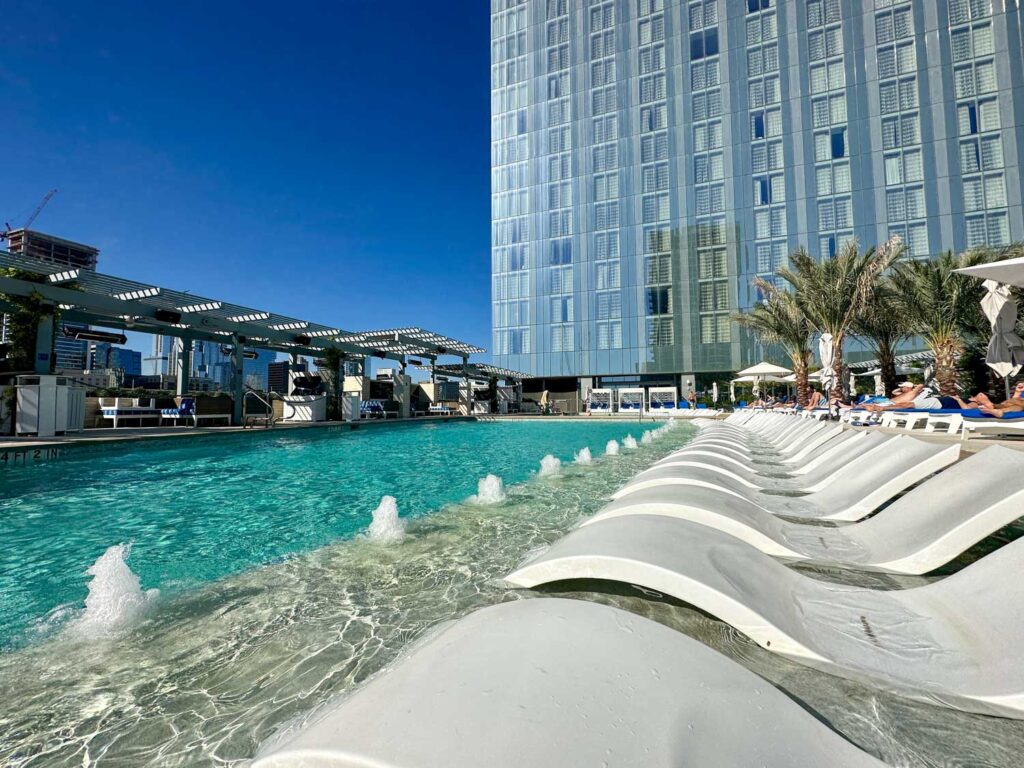
You can check out this post about how to plan an F1 trip for some more tips on this step, but basically you want to book your hotel as early as you can to get the best options and rates.
DON’T just go on race day
F1 weekends aren’t JUST about the main race. There’s always a lot more going on at the track throughout the whole weekend.
Along with fan zones, food vendors, and live music/entertainment, there are also “support races” to watch throughout the weekend, including sometimes F2 and F3 races, F1 Academy races, Porsche Supercup races, historic races/demonstrations, and more.
Plus, Friday and Saturday are usually a lot quieter at the track. Friday and Saturday (and especially the mornings on those days) are a good time to explore the circuit, try all the activations in the fan zone, perhaps try to make it to a driver interview session, and just enjoy the F1 atmosphere.
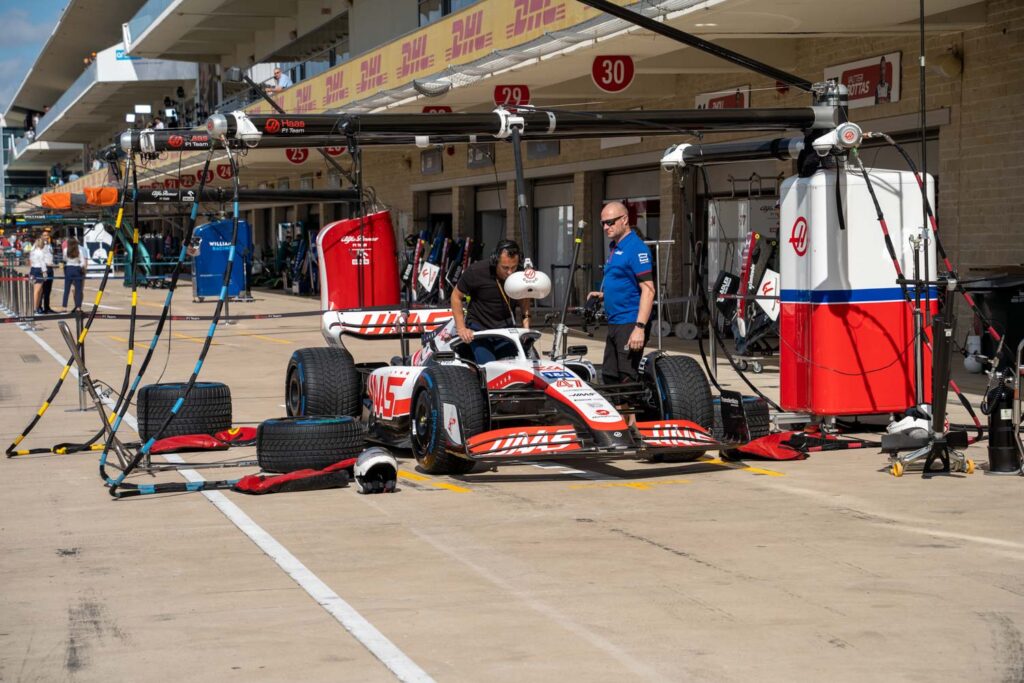
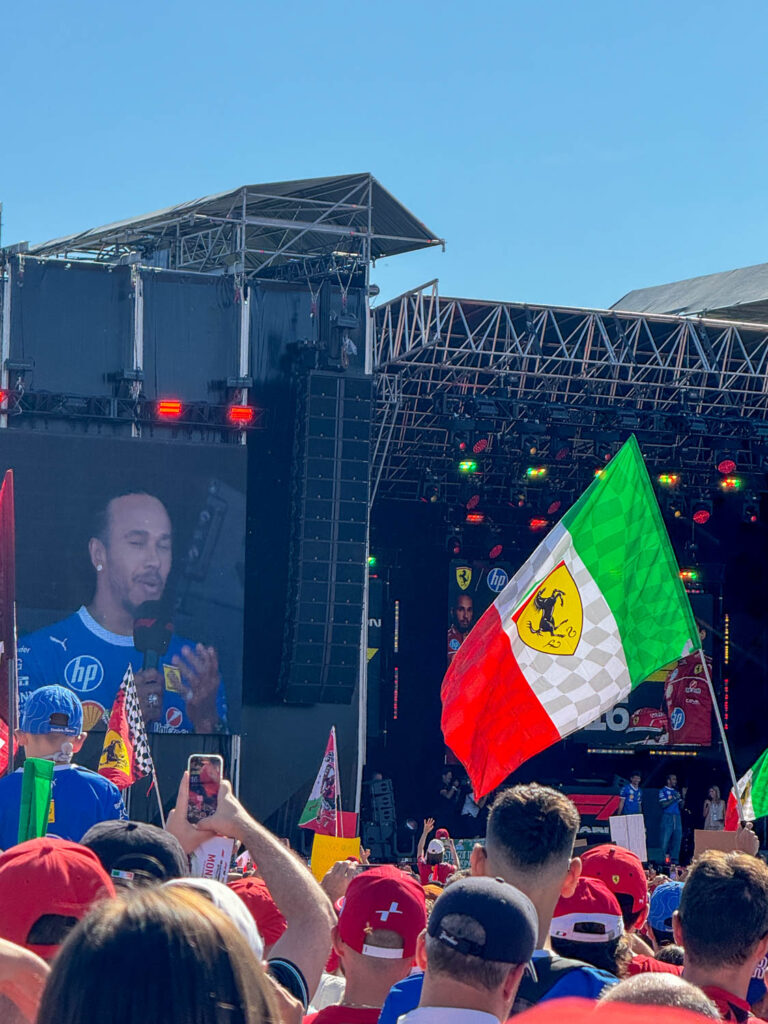
My favorite day to be at the circuit is usually Saturday; you can catch some driver interviews and of course qualifying is exciting, but you won’t be dealing with the crowds that show up on race day.
DON’T underestimate travel time to the track
Unless you are staying within walking distance to the track, I cannot stress enough how important it is to have a plan (and at least one backup plan) for how you’ll get to/from the track.
In a few instances, you can easily reach the track using public transit (Shanghai is a good example, as the track has its own metro stop). In many other places, the circuit will offer shuttle buses from key areas to the track that are reasonably priced. And in other cases, taking a taxi or rideshare or even driving yourself might be an option.
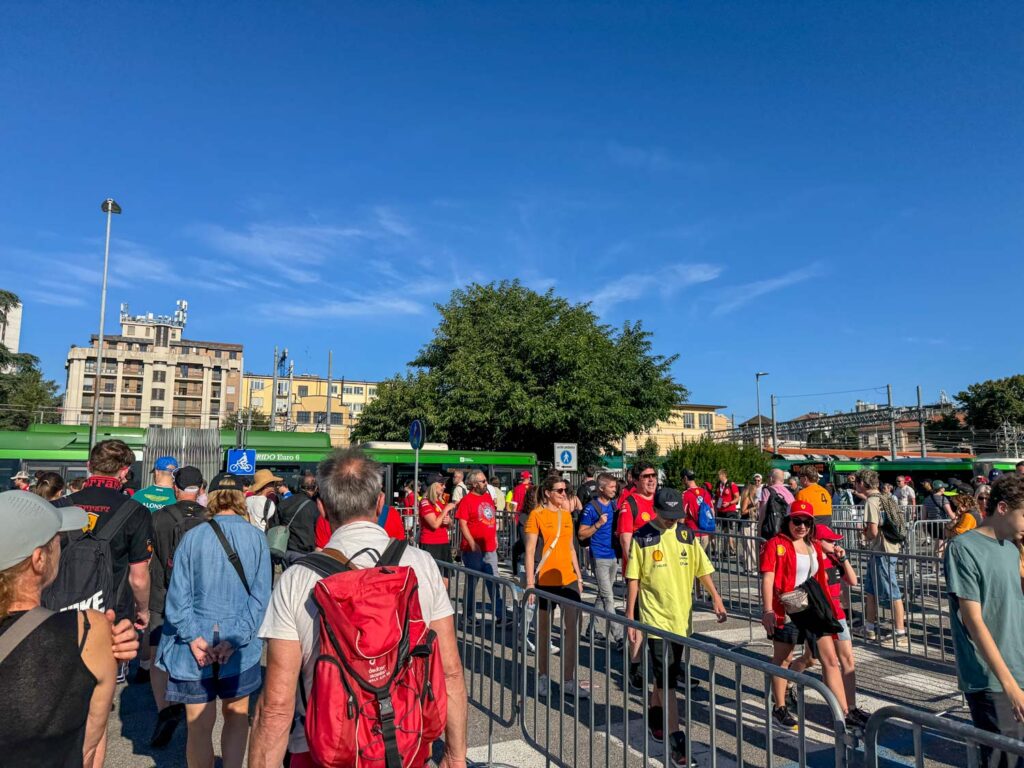
But no matter which option you use, you should prepare for your transit time to take longer than you expect — and doubly long at the end of race day when you’re trying to leave the track.
If you’re using circuit shuttles (and especially if those shuttles are free or the only option for getting to/from the track), you can definitely expect to wait in long lines to get on a bus. And if you leave right after the end of qualifying, or right after the races ends, the lines to leave might be hours long.
My tips for getting to/from the track are:
- Do some research on your transit options and come up with a plan before race weekend.
- Also come up with a back-up plan.
- Allow yourself more time than you think you need. (Getting from your hotel to the track in some cases may take you 2+ hours!)
- Prep for walking further than you expect, too.
- Hang around the circuit for a bit after quali/the race so you miss the worst of the traffic.
DO dress for comfort
Speaking of prepping for walking further than you expect… my number one thing to pack for an F1 race is a good pair of shoes!
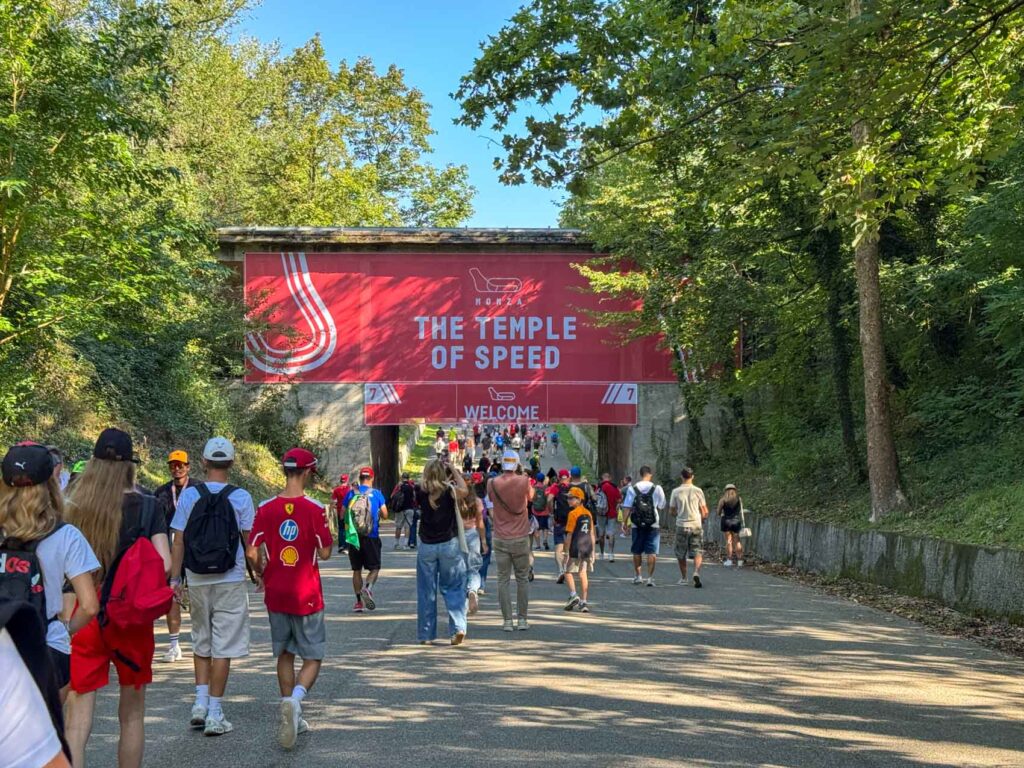
Most Formula 1 tracks are at least 3 miles (5 km) long, and you may have to walk double or triple that distance just to get from the entrance gate to your seat and back. When you add in walking to/from shuttle stops or parking areas, walking around the fan zone, and potentially even walking part of the track after a race, and you definitely need to keep your foot comfort in mind.
During Italian Grand Prix race weekend last year, I walked nearly 25,000 steps (about 12 miles on my short legs) on Saturday alone, and then another 20,000 steps on Sunday. And this walking was on pavement, grass, and gravel — so I was super thankful for comfy shoes!
In fact, dressing for comfort in general is really important at a Formula 1 race. You also need to be prepared for all weather possibilities, including pouring rain and blazing sun, sometimes within the same day. Sunscreen, sun glasses, and a rain poncho are pretty much must-haves, along with breathable layers of clothing that are easy to both walk and sit in. (Here’s my guide for what to wear to an F1 race.)
DO be prepared for porta-potties
Someone recently compared going to an F1 race to attending a music festival — and I have to agree! There are a lot of similarities, right down to the fact that many races are going to have mostly mobile restroom units and porta-potties for you to use at the circuit.
Unless you’re paying for hospitality or VIP suite tickets that will have private restrooms for you to use, you need to prepare for the worst (i.e. portable toilets).
Prepping for this means having some toilet paper or tissues in your pocket, along with some hand sanitizer to use afterwards. And ladies, this also means choosing an outfit that’s going to be porta-potty-friendly!
DON’T get dehydrated
Whatever you do, don’t let a fear of porta-potties lead you to not drinking enough water. The F1 season runs from March-December, but the majority of races are in destinations where the temperatures can be warm — or sometimes downright HOT.
You’re going to be walking a ton and potentially in the sun a lot, so you WILL need to drink lots of water. Most circuits have free water refill stations, but it’s not a bad idea to come prepared with electrolytes, too. You can opt for the powdered kind that you can add to water, or bring chewable electrolyte tablets you can have throughout the day (I like these).
DO know what you can/can’t bring
Each track has its own rules on what you can/can’t bring. Most tracks allow small backpacks and regular purses for all your essentials like sunscreen, ear plugs, a fan, etc., and most GA seating areas allow you to bring things like blankets to sit on.
There are also some things that are always going to be banned, regardless of the location — things like weapons, drugs, your own alcohol, drones, loud noise devices, flares/lasers, scooters, etc.
And then there are things that are allowed at some circuits but banned at others. So it’s really important to try to find the track guidelines before your trip! (We try to cover these in our quick race guides.)
Things that you specifically want to look up include:
- Food – Sometimes you can get away with small packaged snacks, while other times you can bring in full pizzas or other meals. Other times, outside food is not permitted.
- Water and drinks – Again, sometimes you can bring whatever you want that’s non-alcoholic, and other times you might be limited to one small water bottle per person. (The good news is that most tracks do offer free water refill stations.)
- Power banks – Portable chargers and power banks are regulated at some circuits. A few tracks ban them outright, while several others limit the size of power bank you can bring in.
- Camera gear – Things like selfie sticks and full-sized tripods are often not allowed at tracks. And many tracks put limits on the sort of “professional” camera gear you can bring. Pay attention to the types of cameras you can bring, and whether there are any restrictions on lens type/sizes (sometimes cameras with large detachable lenses are not allowed).
- Umbrellas – Small folding umbrellas can be useful for both rain AND sun, but some tracks do not allow them. If rain is in the forecast, it’s often better to rely on ponchos.
- Aerosol cans – This isn’t something that’s mentioned at many tracks, but I’ve heard of people having their aerosol sunscreens taken from them at circuit security checkpoints. So if you’re bringing sunscreen to the track (and you definitely should be!), go for the liquid or solid stick kinds to be safe.
RELATED: What to Pack for a Formula 1 Race: Your F1 Survival Kit Guide
DON’T buy team gear at the track
Team merch and race-specific gear is always going to be the most expensive at the track on race weekend.
Unless there’s exclusive merch that you absolutely cannot get anywhere else, I highly recommend buying your team gear online before you leave home, or at another shop in the race destination (there are often pop-up F1 shops in host cities around race weekend).
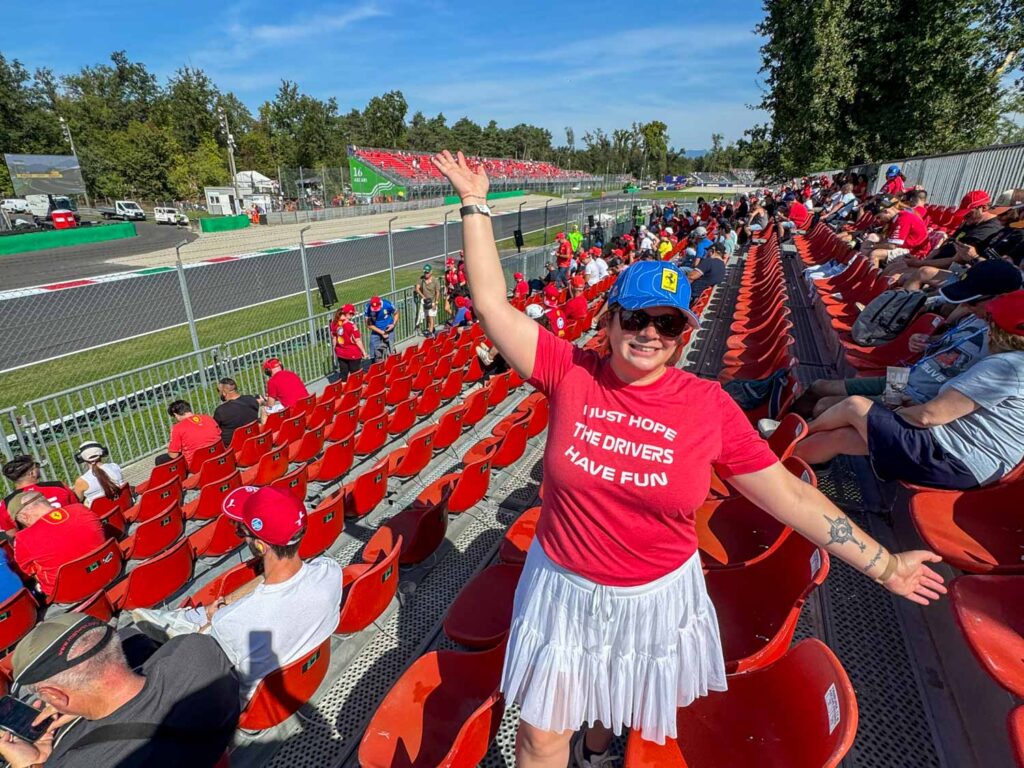
To give you a specific example here, I fell in love with this blue Ferrari hat that they did as special merch for Monza in 2025. I ended up buying it at the track for €70, but then saw it for sale elsewhere in northern Italy (including at both Ferrari museum stores) the following week for €50. Ouch.
DO hang around after the action
Lots of people make a beeline for the shuttles or parking areas directly after qualifying and/or the last lap of the race — which leads to really long lines and often frustration.
Sure, if you’ve been at the track all day you may be anxious to get back to your hotel to relax. But I promise the whole experience will be better if you hang around the track a little longer.
Sometimes there may be more things to watch after the main F1 action, whether it’s historic car demonstrations or even evening concerts. In many cases, the F1 fan zone will stay open for at least a couple hours after quali/the race ends, too, and the lines for food, bars, and activations will be much shorter than they were earlier in the day.
And they may also open the track up after the podium ceremony — and who wouldn’t like to walk a famous corner after the race?
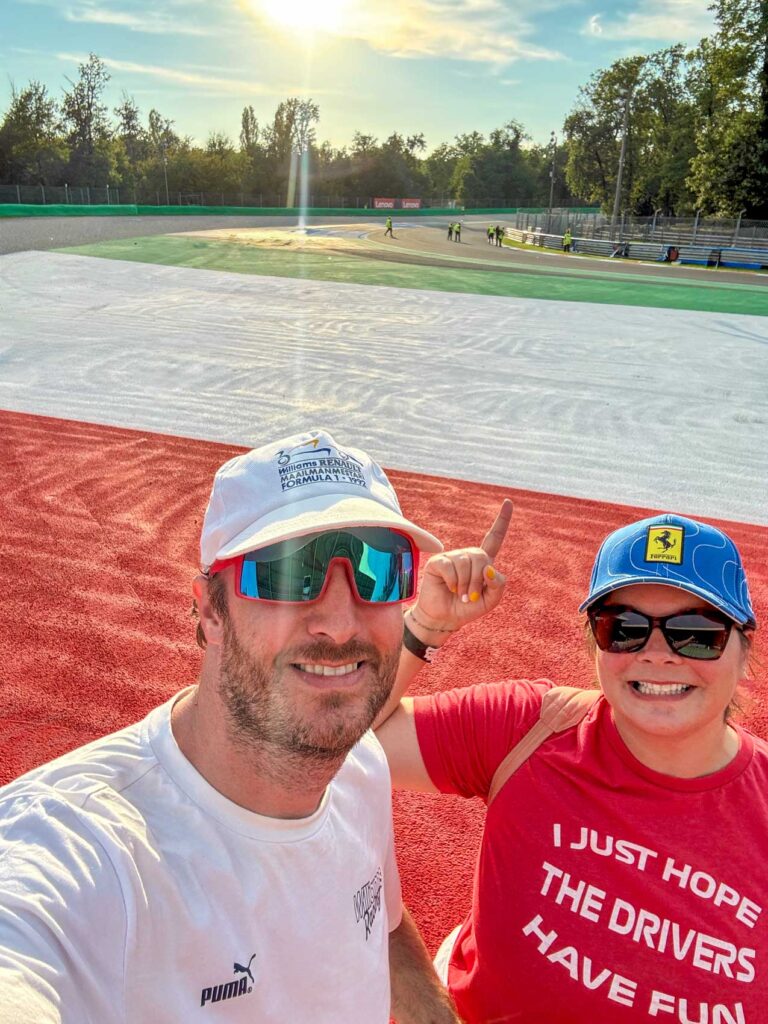
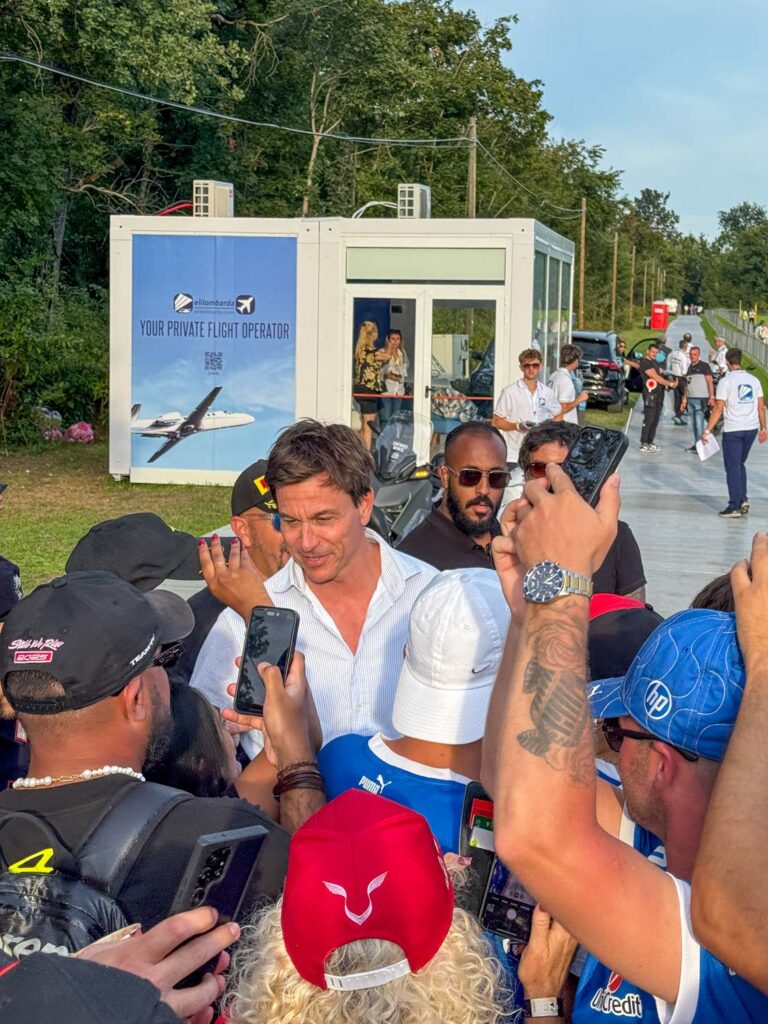
After the Italian Grand Prix, we decided to hang around for a couple hours. We got food and danced to some DJ sets in the fan zone, walked on the track at Parabolica, and even got to spot Toto Wolff getting ready to leave in his helicopter. And by the time we did head for the shuttle line, it was flowing smoothly and we walked right onto a bus.
DON’T expect to see drivers on race day
A lot of people go to F1 races for the first time hoping to meet some of the drivers and perhaps get an autograph or selfie. And while this isn’t impossible at the race itself, it’s much harder these days than it once was.
The only real chances you’ll have to get close to drivers at most races are:
- Keeping an eye out for driver interview panels scheduled during race weekend, and arriving to the venue super early to get close to the stage. Driver appearances usually happen on Friday and Saturday most weekends, and the circuit releases the appearance schedule usually a few days before the race.
- Purchasing VIP/hospitality ticket packages that get you access to the F1 Paddock (NOT Paddock Club, but the actual paddock where all the teams have their tents, catering, lounges, etc.). These tickets can be ridiculously expensive, but they will put you in the middle of all the action.
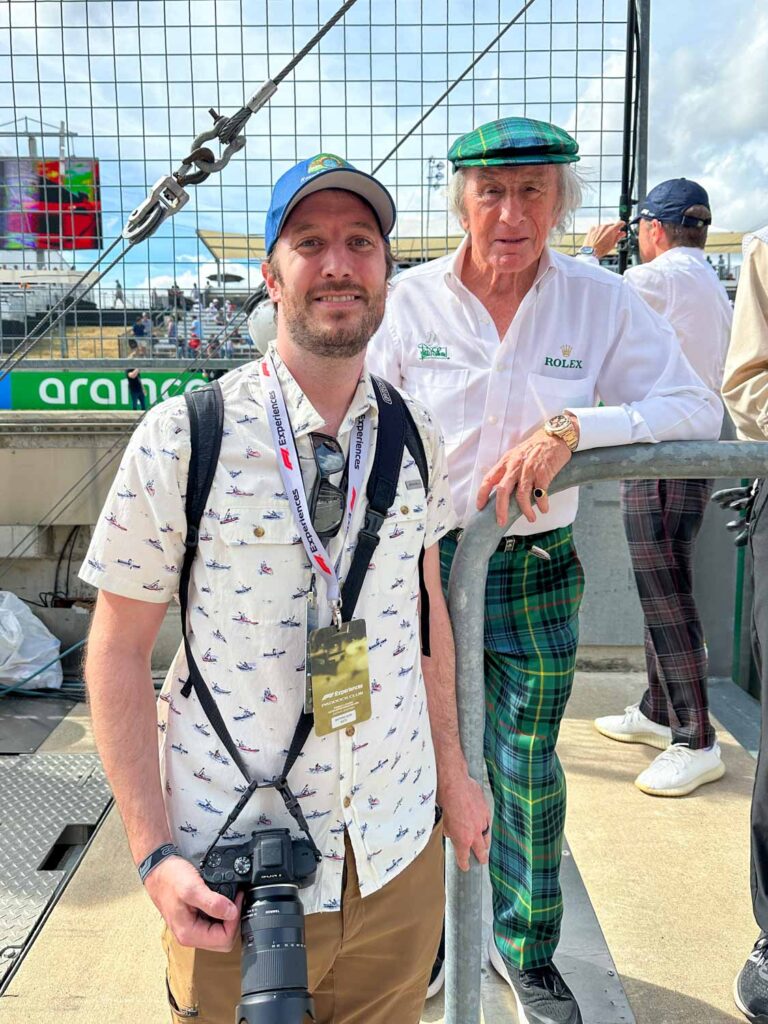
You can also look out for special public appearances and fan events. Teams sometimes host special events, fan zones, pop-ups, parties, etc. in the host city in the days leading up to the race, and driver appearances at these are pretty common. In order to be in-the-know about these sorts of events, I recommend following your favorite F1 team(s) on social media.
One thing I DON’T recommend doing is stalking drivers at their hotels. We accidentally stayed at one of the main team hotels when we went to the USGP in Austin, and while it was cool to spot a few drivers and team principals there, having to wade through a sea of people staking out the hotel lobby every time we arrived or left wasn’t super fun (and I imagine it’s even less fun for the drivers).
DO spend more time in the race destination
Lastly, since this is an F1 travel blog, I’m going to tell you that I think you should spend more than just the weekend in a race destination. Arrive a day or two before, and stay 1-2 days after so you can hit up some of the top sites in the host city AND perhaps get around inflated flight and train prices around a race weekend.
Make your F1 race weekend into a full-on F1 trip!
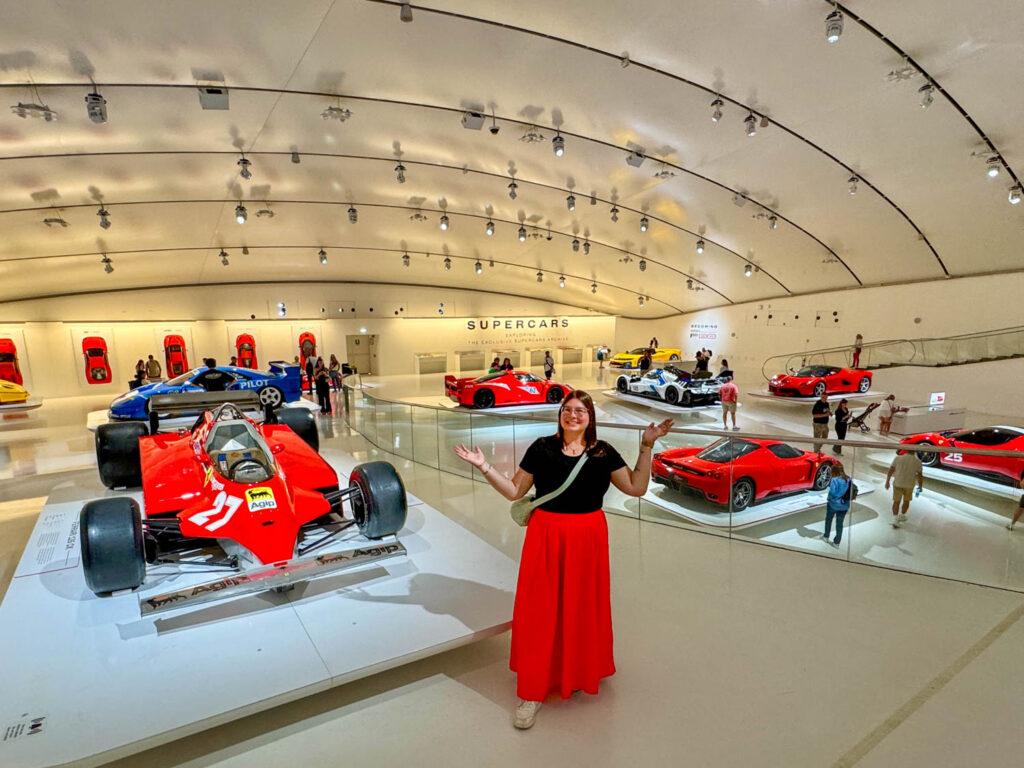
DO also take lots of photos and have so much fun! Going to a race in-person is a memorable experience, and if you follow these tips for going to an F1 race, you’ll have a great time.
What other tips would you give someone going to their first F1 race?
